Sodium Hexafluoroaluminate
MATERIAL SAFETY DATA SHEET
I. PRODUCT IDENTIFICATION
Manufacturer/Supplier:
ESPI Metals
1050 Benson Way, Ashland, OR 97520
Toll Free (800) 638-2581 * Fax (541) 488-8313
E-Mail: This email address is being protected from spambots. You need JavaScript enabled to view it.
Product Name: Sodium Hexafluoroaluminate
Formula: Na3AlF6
CAS Number: 13775-53-6
II. HAZARDOUS INGREDIENTS
Hazardous Components: Sodium Hexafluoroaluminate Fluorides
Percent (%): 0-100 0-100
OSHA/PEL: N/E 2.5 mg(F)/m3
ACGIH/TLV: N/E 2.5 mg(F)/m3
III. PHYSICAL DATA
Boiling Point: Decomposes
Freezing/Melting Point: 1000 oC
Specific Gravity: 2.9 g/cc
Solubility in H2O: Insoluble
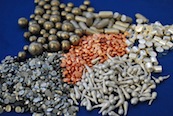
Appearance and Odor: Colorless, white, red, brown, or black powder or chunks, no odor.
IV. FIRE AND EXPLOSION HAZARDS
Flash Point: N/A
Autoignition Temperature: N/A
Flammable Limits: Lower: N/A Upper: N/A
Extinguishing Media: Use suitable extinguishing media for surrounding materials and type of fire.
Special Fire Fighting Procedures: No special firefighting procedures needed. Use normal procedures which include wearing NIOSH/MSHA approved self-contained breathing apparatus, flame and chemical resistant clothing; hats, boots and gloves. If without risk, remove material from fire area. Cool container with water from maximum distance.
Unusual Fire and Explosion Hazards: May release toxic fumes when heated to decomposition.
V. HEALTH HAZARD INFORMATION
Effects of Exposure:
To the best of our knowledge the chemical, physical and toxicological properties of sodium hexafluoroaluminate has not been thoroughly investigated and reported.
Fluorides may cause salivation, nausea, vomiting, diarrhea and abdominal pain, followed by weakness, tremors, shallow respiration, convulsions and coma. May cause brain and kidney damage. Chronic fluoride poisoning can cause severe bone changes, loss of weight, anorexia, anemia and dental defects.
Aluminum may be implicated in Alzheimers disease. Inhalation of aluminum containing dusts may cause pulmonary disease.
Acute Effects:
Inhalation: Causes irritation
Ingestion: Swallowing will lead to a strong corrosive effect on mouth and throat and to the danger of perforation of esophagus and stomach. May cause nausea, vomiting, cramps and diarrhea. Large doses may cause CNS effects. Poisoning may affect the bladder, kidneys, heart and respiratory system.
Skin: Corrosive effect on skin and mucous membranes.
Eye: Strong corrosive effect.
Chronic Effects:
Inhalation: Inhalation of aluminum containing dusts may cause pulmonary disease. See also chronic effects of ingestion below.
Ingestion: Chronic exposure may effect the skeleton and may result in calcification of ligaments, tendons and muscle attachments to bone. May inactivate enzymes. May cause anorexia, anemia, dental defects and impairment of growth. May also cause gastric, intestinal, circulatory, respiratory and nervous disorders.
Skin: None known
Eye: None known
Other: High levels of aluminum in the brain may be implicated in senility and Alzheimer’s disease.
Medical Conditions, if any, Aggravated by the Chemical: Persons suffering from diseases of the lungs, kidneys or musculo-skeletal system.
Carcinogenicity: NTP: No IARC: No OSHA: No
EMERGENCY AND FIRST AID PROCEDURES:
INHALATION: Supply fresh air, if required, provide artificial respiration; keep patient warm. Seek immediate medical advice.
INGESTION: Do not induce vomiting. Seek immediate medical attention.
SKIN: Remove contaminated clothing, flood skin with large amounts of water, wash with soap and water. Seek medical attention.
EYE: Immediately flush eyes, including under eyelids, with large amounts of water for at least 15 minutes. Call a physician.
VI. REACTIVITY DATA
Stability: Stable
Conditions to Avoid: Thermal decomposition
Incompatibility (Materials to Avoid): Strong acids, bases, strong alkalis
Hazardous Decomposition Products: Hydrogen fluoride
Hazardous Polymerization: Will not occur.
VII. SPILL OR LEAK PROCEDURES
Steps to Be Taken in Case Material Is Released or Spilled: Wearing full protective equipment, cover spill with dry sand or vermiculite. Mix well and carefully transfer to a container. Ensure adequate ventilation. Take care not to raise dust.
Waste Disposal Method: Consult State, Local or Federal EPA regulations for proper disposal.
RCRA Code: None
VIII. SPECIAL PROTECTION INFORMATION
Respiratory Protection: High efficiency particle respirator.
Ventilation: Laboratory fume hood.
Protective Gloves: Impervious gloves
Eye/Face Protection: ANSI approved safety goggles.
Other Protective Equipment: Lab coat and apron, flame and chemical resistant coveralls.
IX. SPECIAL PRECAUTIONS
Handling and Storage Conditions: Keep container tightly closed. Store in a cool, dry, well-ventilated area. Wash throughly after use. Prevent formation of dust.
Other Precautions: Implement engineering and work practice controls to reduce and maintain concentration of exposure at low levels. Use good housekeeping and sanitation practices. Do not use tobacco or food in work area. Wash thoroughly before eating and smoking. Do not blow dust off clothing or skin with compressed air. Maintain eyewash capable of sustained flushing, safety drench shower and hygienic facilities for washing.
TSCA: Yes
Transportation Information per 49CFR 172.101:
Proper Shipping Name: ORM-B, n.o.s.
Hazard Classification: ORM-B
UN #: UN3260, packing group III
WARNING: Irritates skin, eyes, nose, throat.
The above information is believed to be correct, but does not purport to be all inclusive and shall be used only as a guide. ESPI shall not be held liable for any damage resulting from handling or from contact with the above product.
Issued By: S. Dierks
Dated: January 2003
 ALLOYS