Selenium Oxide
MATERIAL SAFETY DATA SHEET
I. PRODUCT IDENTIFICATION
Manufacturer/Supplier:
ESPI Metals
1050 Benson Way, Ashland, OR 97520
Toll Free (800) 638-2581 * Fax (541) 488-8313
E-Mail: This email address is being protected from spambots. You need JavaScript enabled to view it.
Product Name: Selenium Oxide
Formula: SeO2
CAS Number: 7446-08-4
II. HAZARDOUS INGREDIENTS
Hazardous Component: Selenium Oxide
Percent (%): 0-100
OSHA/PEL: 0.2 (Se)mg/m3
ACGIH/TLV: 0.2 (Se)mg/m3
HMIS Ratings:
Health: 3
Flammability: 0
Reactivity: 1
III. PHYSICAL DATA
Boiling Point: N/E
Melting Point: 340 - 350 oC, sublimes
Specific Gravity: 3.95 g/cc
Solubility in H2O: Soluble
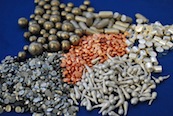
Appearance and Odor: White powder and pieces, no odor
IV. FIRE AND EXPLOSION HAZARDS DATA
Flash Point (Method used): N/A
Autoignition Temperature: N/A
Flammable Limits: Upper: N/A Lower: N/A
Extinguishing Media: Use suitable extinguishing media for surrounding materials and type of fire.
Special Firefighting Procedures: Firefighters must wear full face, self-contained breathing apparatus with full protective clothing to prevent contact with skin and eyes.
Unusual Fire & Explosion Hazard: When heated to decomposition selenium oxide may release toxic fumes.
V. HEALTH HAZARD INFORMATION
Effects of Exposure:
To the best of our knowledge the chemical, physical and toxicological properties of selenium oxide have not been thoroughly investigated and recorded.
Selenium in small amounts is essential for normal growth of some animals. Deficiency or excess is associated with serious disease in livestock. Elemental selenium has low acute systemic toxicity, but dust or fumes can cause serious irritation of the respiratory tract. It is a suspected carcinogen of the liver and thyroid. Inorganic selenium compounds can cause dermatitis. Garlic odor of breath is a common symptom. Pallor, nervousness, depression, digestive disturbances have been reported in cases of chronic exposure. Selenium compounds are common air contaminants. (Sax, Dangerous Properties of Industrial Materials)
Selenium may cause amyotrophic lateral sclerosis, bronchial irritation, gastrointestinal distress, nasopharyngeal irritation, garlic odor on breath and sweat, metallic taste, pallor, irritability, excessive fatigue, loss of fingernails and hair, pulmonary edema, anemia and weight loss.
Acute and Chronic Effects:
Inhalation: Inhalation of selenium dust or fume can cause irritation, metallic taste and a garlic-odor to the breath.
Ingestion: May cause pallor, weakness, G.I. tract disturbances and nervousness.
Skin: Irritant. Repeated skin contact can cause dermatitis.
Eye: Irritant. SeO2 in the eye can cause a pink allergic-type reaction.
Carcinogenicity: EPA: No IARC: No NTP: No
EMERGENCY AND FIRST AID PROCEDURES:
INHALATION: Remove from exposure, keep warm and provide artificial respiration if necessary. Seek immediate medical attention.
INGESTION: Do not induce vomiting. Seek immediate medical attention.
SKIN: Remove any contaminated clothing, brush material off of skin, flush with running water, wash carefully with soap and water. Seek immediate medical advice.
EYE: Flush with copious amounts of water for 15 minutes. Consult a doctor.
VI. REACTIVITY DATA
Stability: Stable
Conditions to Avoid: Moisture
Incompatibility (Material to Avoid): Acids, water/moisture
Hazardous Decomposition Products: Toxic metal oxide fume
Hazardous Polymerization: Will not occur
VII. SPILL OR LEAK PROCEDURES
Steps to be Taken in Case Material is Released or Spilled: Wear protective equipment. Keep unprotected persons away. Ensure adequate ventilation. Sweep or scoop up pieces. Vacuum up powders using vacuum equipped with HEPA filter. Do not raise dust.
Waste Disposal Method: In accordance with Local, State and Federal Waste Disposal Regulations.
VIII. SPECIAL PROTECTION INFORMATION
Respiratory Protection (Specify Type): Any respirator approved for dusts, mists, fumes.
Ventilation: Use local exhaust to maintain concentration at low exposure levels. Mechanical exhaust is not recommended.
Protective Gloves: Impervious gloves
Eye Protection: Safety Glasses
Other Protective Equipment: Protective work clothing.
IX. SPECIAL PRECAUTIONS
Precautions to Be Taken in Handling and Storage: Keep container tightly sealed. Store in cool, dry conditions in well sealed containers. Store under lock and key and with access restricted to technical experts or their assistants only. Store away from water/ moisture. Do not store together with acids. This product is hygroscopic. Protect from humidity and water. Ensure good ventilation at the workplace. Open and handle container with care.
Hazards: Toxic by inhalation and if swallowed. Danger of cumulative effects. Very toxic to aquatic organisms, may cause long-term adverse effects in the aquatic environment. Avoid release to the environment. This material and its container must be disposed of as hazardous waste.
Work Practices: Implement engineering and work practice controls to reduce and maintain concentration of exposure at low levels. Use good housekeeping and sanitation practices. Do not use tobacco or food in work area. Wash thoroughly before eating and smoking. Do not blow dust off clothing or skin with compressed air. Maintain eyewash capable of sustained flushing, safety drench shower and facilities for washing.
The above information is believed to be correct, but does not purport to be all inclusive and shall be used only as a guide. ESPI shall not be held liable for any damage resulting from handling or from contact with the above product.
Issued By: S. Dierks
Date: November 2004
 ALLOYS