Nickel Antimonide
MATERIAL SAFETY DATA SHEET
I. PRODUCT IDENTIFICATION
Manufacturer/Supplier:
ESPI Metals
1050 Benson Way, Ashland, OR 97520
Toll Free (800) 638-2581 * Fax (541) 488-8313
E-Mail: This email address is being protected from spambots. You need JavaScript enabled to view it.
Product Name: Nickel Antimonide
Formula: Ni3Sb
CAS Number: 12503-49-0
II. HAZARDOUS INGREDIENTS
Hazardous Components: Nickel Antimonide
Percent (%): 0-100
ACGIH TLV: 1 mg/m3
OSHA PEL: 1 mg/m3
III. PHYSICAL DATA
Boiling Point: Not applicable
Melting Point: Not applicable
Solubility in H2O: N/E
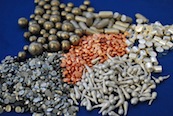
Appearance and Odor: Pieces, no odor.
IV. FIRE AND EXPLOSION HAZARDS DATA
Flash Point (Method used): N/A (Non-Flammable)
Autoignition Temperature: N/A
Extinguishing Media: USE: Not applicable. Use suitable extinguishing media for surrounding materials or type of fire.
Special Fire Fighting Procedures: Firefighters must wear full face, self-contained breathing apparatus with full protective clothing to prevent contact with skin and eyes. Fumes from fire are hazardous. Isolate runoff to prevent environmental pollution.
Unusual Fire & Explosion Hazard: When heated to decomposition, nickel antimonide may emit toxic fumes of nickel and antimony.
V. HEALTH HAZARD INFORMATION
Health Hazards:
To the best of our knowledge the chemical, physical and toxicological properties of nickel antimonide have not been thoroughly investigated and recorded.
Nickel is a confirmed carcinogen with experimental carcinogenic, neoplastigenic, tumorigenic and teratogenic data. Poison by ingestion, intratracheal, intraperitoneal, subcutaneous and intravenous routes. An experimental teratogen. Ingestion of soluble salts causes nausea, vomiting and diarrhea. Hypersensitivity to nickel is common and can cause allergic contact dermatitis, pulmonary asthma, conjunctivitis and inflammatory reactions around nickel containing medical implants and prosthesis (Sax, Dangerous Properties of Industrial Materials, eighth edition).
Acute Effects:
Inhalation: DANGER-POISON. May cause irritation to the upper respiratory tract, mucous membranes, nasal cavities and septal ulceration. May cause pulmonary asthma attacks.
Ingestion: DANGER-POISON. May cause irritation to the lining of the stomach and intestines. Large doses may cause intestinal disorders, convulsions and asphyxia.
Skin: May cause irritation.
Eye: May cause irritation.
Chronic Effects:
Inhalation: Prolonged or repeated inhalation may cause pneomitis, pneumonitis, liver and kidney abnormalities.
Ingestion: May cause nickel toxicity.
Skin: May sensitize the skin (nickel itch). May cause allergic dermatitis, keratitis, eczematous dermatitis and may be accompanied a week later with superficial skin ulcers, which may discharge and become crusted.
Eye: May cause conjunctivitis.
Target Organs: May affect the nasal cavities, kidneys, nervous and respiratory system, lungs, blood and skin.
Medical Conditions Generally Aggravated by Exposure: Pre-existing respiratory disorders, pulmonary functions, asthma and skin disorders.
Carcinogenicity: NTP? Yes IARC Monographs? Yes OSHA Regulated? Yes
Signs and Symptoms of Exposure:
Inhalation: May cause a red, dry, sore throat, coughing, shortness of breath, dizziness, headache, nausea, vomiting, diarrhea, cramps, insomnia and anorexia.
Eye: May cause redness, itching and watering.
Skin: May cause redness, itching, swelling, burning and ulcers.
Ingestion: May cause gastritis, convulsions, asphyxia, giddiness, nausea, headache, cramps, diarrhea and vomiting. Nickel toxicity may cause: gastroenteritis; Nervous symptoms such as tremor, chorea-like movements and paralysis occur prior to death, which occurs mostly from heart failure.
EMERGENCY AND FIRST AID PROCEDURES:
EYE: Flush eyes with lukewarm water, lifting upper and lower eyelids, for at least 15 minutes. Seek medical attention if symptoms persist.
SKIN: Remove contaminated clothing; brush material off skin; wash affected area with mild soap and water. Seek medical attention if symptoms persist.
INHALATION: Remove victim to fresh air; keep warm and quiet. Give oxygen if breathing is difficult and seek medical attention.
INGESTION: Give 1-2 glasses of milk or water and induce vomiting, seek medical attention. Never induce vomiting or give anything by mouth to an unconscious person.
VI. REACTIVITY DATA
Stability: Stable
Incompatibility (Material to Avoid): None recorded
Hazardous Decomposition Products: Fume of nickel and antimony.
Hazardous Polymerization: Will not occur
VII. SPILL OR LEAK PROCEDURES
Steps to Be Taken in Case Material Is Released or Spilled: Wear appropriate respiratory and protective equipment specified in Section VIII - Special Protection Information. Isolate spill area and provide ventilation. Vacuum up spill using a high efficiency particulate absolute (HEPA) air filter and place in a closed container for proper disposal. Take care not to raise dust.
Waste Disposal Method: Dispose of in accordance with Local, State and Federal regulations.
VIII. SPECIAL PROTECTION INFORMATION
Respiratory Protection: NIOSH - approved dust-mist-vapor cartridge respirator.
Ventilation: Local Exhaust: To maintain exposure below the PEL, TLV.
Mechanical (General): Not recommended
Special: Handle in a controlled environment when in dust or powder form.
Protective Gloves: Rubber gloves
Eye Protection: Safety Glasses
Other Protective Equipment: Protective gear suitable to prevent contamination.
Work/Hygienic/Maintenance Practices: Implement engineering and work practices controls to reduce and maintain concentration of exposure at low levels. Use good housekeeping and sanitation practices. Do not use tobacco or food in work area. Wash thoroughly before eating and smoking. Do not blow off clothing or skin with compressed air.
IX. SPECIAL PRECAUTIONS
Other Handling and Storage Conditions:
Store in cool, dry area
Store in tightly sealed container
Wash thoroughly after handling
Precautions to Be Taken in Handling and Storing: None
Other Precautions: None
The above information is believed to be correct, but does not purport to be all inclusive and shall be used only as a guide. ESPI shall not be held liable for any damage resulting from handling or from contact with the above product.
Prepared by: S. Dierks
Dated: March 1995
 ALLOYS