Neodymium Fluoride
MATERIAL SAFETY DATA SHEET
I. PRODUCT IDENTIFICATION
Manufacturer/Supplier:
ESPI Metals
1050 Benson Way, Ashland, OR 97520
Toll Free (800) 638-2581 * Fax (541) 488-8313
E-Mail: This email address is being protected from spambots. You need JavaScript enabled to view it.
Product Name: Neodymium Fluoride
Formula: NdF3
CAS Number: 13709-42-7
II. HAZARDOUS INGREDIENTS
Hazardous Components: Neodymium Fluoride
Percent (%): 0-100
OSHA/PEL: 2.5 mg(F)/m3
ACGIH/TLV: 2.5 mg(F)/m3
HMIS Ratings:
Health: 2
Flammability: 0
Reactivity: 1
III. PHYSICAL DATA
Boiling Point: 2300 oC
Melting Point: 1410 oC
Specific Gravity: 6.5 g/cc
Solubility in H2O: Insoluble
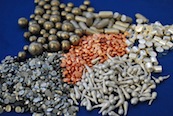
Appearance and Odor: Pale lilac crystals, powder, or pieces, no odor
IV. FIRE AND EXPLOSION HAZARDS DATA
Flash Point: N/A
Flammability: Non-flammable
Autoignition Temperature: N/A
Flammable Limits: Upper: N/A Lower: N/A
Extinguishing Media: Use suitable extinguishing media for surrounding materials and type of fire.
Special Firefighting Procedures: Firefighters must wear a full face, self-contained breathing apparatus with full protective clothing to prevent contact with skin and eyes.
Unusual Fire & Explosion Hazard: When heated to decomposition, or on contact with acids or acid fumes, neodymium fluoride may emit highly toxic fluoride fumes, hydrogen fluoride vapors, and fluorine gas.
V. HEALTH HAZARD INFORMATION
Effects of Exposure:
To the best of our knowledge the chemical, physical and toxicological properties of neodymium fluoride have not been thoroughly investigated and recorded.
Neodymium is considered a rare earth metal. These metals are moderately to highly toxic. The symptoms of toxicity of the rare earth elements include writhing, ataxia, labored respiration, walking on the toes with arched back and sedation. The rare earth elements exhibit low toxicity by ingestion exposure. The production of skin and lung granulomas after exposure requires extensive protection to prevent such exposure. (Sax, Dangerous Properties of Industrial Materials)
Inorganic fluorides are generally highly irritating and toxic. Acute effects resulting from exposure to fluorine compounds are due to hydrogen fluoride. Chronic fluorine poisoning, or ‘fluorosis’, occurs among miners of cryolite, and consists of sclerosis of the bones, caused by fixation of the calcium by fluorine. There may also be some calcification of the ligaments. The teeth are mottled and there is osteosclerosis and osteomalacia. Large doses can cause very severe nausea, vomiting, diarrhea, abdominal burning and cramp-like pains. Can cause or aggravate attacks of asthma and severe bone changes, making normal movements painful. Fluorides are also irritants to the eyes, skin and mucous membranes. Loss of weight, anorexia, anemia, wasting and cachexia, and dental defects are among the common findings in chronic fluorine poisoning. There may be an eosinophilia and impairment of growth in young workers. Symptoms of intoxication include gastric, intestinal, circulatory, respiratory and nervous complaints and skin rashes. (Sax, Dangerous Properties of Industrial Materials)
Acute Effects:
Inhalation: May cause irritation to the respiratory system and mucous membrane of the nose and throat.
Ingestion: No acute health effects recorded.
Skin: May cause irritation
Eye: May cause irritation and serious injury.
Chronic Effects:
Inhalation: May cause fluorosis, pulmonary fibrosis, severe bone changes, hyperemia, cellular eosinophilia and vascular granulomata, acute chemical pneumonitis, subacute bronchitis and focal hypertrophic emphysema.
Ingestion: No chronic effects recorded.
Skin: May cause dermatitis.
Eye: No chronic effects recorded.
Medical Conditions Aggravated by Overexposure: Respiratory diseases.
Carcinogenicity: IARC: No NTP: No ACGIH: No OSHA: No
EMERGENCY AND FIRST AID PROCEDURES:
INHALATION: Remove victim to fresh air, keep warm and quiet, give oxygen if breathing is difficult and seek medical attention if symptoms persist.
INGESTION: Give 1-2 glasses of milk or water and induce vomiting, seek medical attention if symptoms persist. Never induce vomiting or give anything by mouth to an unconscious person.
SKIN: Remove contaminated clothing, brush material off skin, wash affected area with mild soap and water, seek medical attention if symptoms persist.
EYE: Flush eyes with lukewarm water, lifting upper and lower eyelids, for at least 15 minutes. Seek medical attention if symptoms persist.
VI. REACTIVITY DATA
Stability: Stable
Conditions to Avoid: Moisture.
Incompatibility (Material to Avoid): Acids, water/moisture.
Hazardous Decomposition Products or Byproducts: Hydrogen fluoride, fluoride fumes, fluorine gas, and neodymium oxides.
Hazardous Polymerization: Will not occur.
VII. SPILL OR LEAK PROCEDURES
Steps to Be Taken in Case Material Is Released or Spilled: Wear appropriate respiratory and protective equipment specified in section VIII. Isolate spill area and provide ventilation. Sweep or scoop up or vacuum up spill using a high efficiency particulate absolute (HEPA) air filter and place in a closed container for proper disposal. Take care not to raise dust.
Waste Disposal Method: Dispose of in accordance with Local, State and Federal Waste Disposal Regulations.
VIII. SPECIAL PROTECTION INFORMATION
Respiratory Protection: NIOSH approved respirator.
Ventilation: Handle in a dry, controlled atmosphere. Use local exhaust to maintain concentration of exposure at low levels. Good general ventilation is recommended.
Protective Gloves: Neoprene
Eye Protection: Safety glasses with side shields.
Other Protective Clothing or Equipment: Protective gear suitable to prevent contamination.
IX. SPECIAL PRECAUTIONS
Precautions to Be Taken in Handling and Storage: Store in a cool, dry place in tightly closed containers. Avoid breathing dusts. Avoid direct or prolonged contact with skin and eyes. Wash hands thoroughly after handling. Do not rub eyes with soiled hands.
Other Precautions: Hygroscopic, protect from water/moisture.
Work Practices: Implement engineering and work practice controls to reduce and maintain concentration of exposure at low levels. Use good housekeeping and sanitation practices. Do not use tobacco or food in work area. Wash thoroughly before eating and smoking. Do not blow dust off clothing or skin with compressed air. Maintain eyewash capable of sustained flushing, safety drench shower and facilities for washing.
TSCA Listed: Yes
DOT Regulations:
Hazard Class: 6.1
Identification Number: UN3288
Packing Group: III
Proper Shipping Name: Toxic solid, inorganic, n.o.s. (Neodymium fluoride)
The above information is believed to be correct, but does not purport to be all inclusive and shall be used only as a guide. ESPI shall not be held liable for any damage resulting from handling or from contact with the above product.
Issued by: S. Dierks
Revised/Verified: May 2008
 ALLOYS