
Calcium Oxide
SAFETY DATA SHEET
1 PRODUCT AND SUPPLIER IDENTIFICATION
Product Name: Calcium Oxide
Formula: CaO
Supplier: ESPI Metals
1050 Benson Way
Ashland, OR 97520
Telephone: 800-638-2581
Fax: 541-488-8313
Email: This email address is being protected from spambots. You need JavaScript enabled to view it.
Emergency: Infotrac 800-535-5053 (US) or 352-323-3500 (24 hour)
Recommended Uses: Scientific Research
2 HAZARDS IDENTIFICATION
GHS Classification (29 CFR 1910.1200): Skin corrosion/irritation, category 2, Eye damage/irritation, category 1, Specific target organ toxicity - single exposure, category 3.
GHS Label Elements:
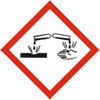
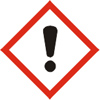
Signal Word: Danger
Hazard Statements: H315 Causes skin irritation, H318 Causes serious eye damage, H335 May cause respiratory irritation.
Precautionary Statements: P261 Avoid breathing dust or fume, P264 Wash skin thoroughly after handling, P271 Use only outdoors or in a well-ventilated area, P280 Wear protective gloves/protective clothing/eye protection/face protection, P302+P352 IF ON SKIN: wash with plenty of soap and water, P332+P313 IF SKIN irritation occurs: Get medical advice/attention, P305+P351+P338+P310 IF IN EYES: rinse cautiously with water for several minutes. Remove contact lenses, if present and easy to do. Continue rinsing. Immediately call a POISON CENTER or doctor/physician, P304+P340 IF INHALED: Remove victim to fresh air and keep comfortable for breathing, P312 Call a POISON CENTER or doctor/physician if you feel unwell, P362+P364 Take off contaminated clothing and wash it before reuse, P403+P233 Store in a well-ventilated place. Keep container tightly closed, P405 Store locked up, P501 Dispose of contents/container in accordance with local, state or federal regulations.
3 COMPOSITION/INFORMATION ON INGREDIENTS
Ingredient: Calcium Oxide
CAS#: 1305-78-8
%: 100
EC#: 215-138-9
Common Names and Synonyms: Lime, quicklime.
4 FIRST AID MEASURES
General Measures: Remove patient from area of exposure.
INHALATION: Remove to fresh air, keep warm and quiet, give oxygen if breathing is difficult. Seek immediate medical attention.
INGESTION: Quickly wipe material from mouth and rinse with water. Do not induce vomiting. Seek medical attention immediately.
SKIN: Remove contaminated clothing if necessary. Brush off any visible solids. Wash the affected area with water for at least 15 minutes. Seek medical attention.
EYES: Immediately flush eyes with copious amounts of water, including under eyelids for at least 10-15 minutes. A victim may need assistance in keeping their eyelids open. Seek immediate medical attention.
Most Important Symptoms/Effects, Acute and Delayed: May cause severe irritation in contact with eyes, mucous membranes or moist skin. See section 11 for more information.
Indication of Immediate Medical Attention and Special Treatment: No other relevant information available.
5 FIREFIGHTING MEASURES
Extinguishing Media: Use suitable extinguishing agent for surrounding materials and type of fire.
Unsuitable Extinguishing Media: Avoid water unless necessary to use on other burning materials in which case the area should be flooded with water to absorb heat from the chemical reaction.
Specific Hazards Arising from the Material: Contact with water will evolve heat and could cause ignition of combustible materials. May release toxic fumes if involved in a fire.
Special Protective Equipment and Precautions for Firefighters: Wear full face, self-contained breathing apparatus and full protective clothing.
6 ACCIDENTAL RELEASE MEASURES
Personal Precautions, Protective Equipment, and Emergency Procedures: Wear appropriate respiratory and protective equipment specified in section 8. Isolate spill area and provide ventilation. Avoid contact with skin and eyes. Avoid breathing dust or fume.
Methods and Materials for Containment and Cleaning Up: Avoid raising dust. Scoop or vacuum up using a vacuum system equipped with a HEPA filter. Place in properly labeled closed containers.
Environmental Precautions: Do not allow to enter drains or to be released to the environment.
7 HANDLING AND STORAGE
Precautions for Safe Handling: Handle in an enclosed, controlled process. Avoid creating dust. Avoid breathing dust or fumes. Provide adequate ventilation if dusts are created. Avoid contact with skin and eyes. Wash thoroughly before eating or smoking. See section 8 for information on personal protection equipment.
Conditions for Safe Storage: Store in a cool, dry, well-ventilated area. Store in a tightly sealed container. Protect from moisture. See section 10 for more information on incompatible materials.
8 EXPOSURE CONTROLS AND PERSONAL PROTECTION
Exposure Limits: OSHA/PEL: ACGIH/TLV:
Calcium Oxide 5 mg/m3 0.2 mg/m3
Engineering Controls: Ensure adequate ventilation to maintain exposures below occupational limits. Whenever possible the use of local exhaust ventilation or other engineering controls is the preferred method of controlling exposure to airborne dust and fume to meet established occupational exposure limits. Use good housekeeping and sanitation practices. Do not use tobacco or food in work area. Wash thoroughly before eating or smoking. Do not blow dust off clothing or skin with compressed air.
Individual Protection Measures, Such as Personal Protective Equipment:
Respiratory Protection: Use suitable respirator when high concentrations are present.
Eye Protection: Safety glasses
Skin Protection: Impermeable gloves, protective work clothing as necessary.
9 PHYSICAL AND CHEMICAL PROPERTIES
Appearance:
Form: Powder
Color: White to gray
Odor: No data
Odor Threshold: Not determined
pH: N/A
Melting Point: 2614 oC
Boiling Point: 2850 oC
Flash Point: N/A
Evaporation Rate: N/A
Flammability: No data
Upper Flammable Limit: No data
Lower Flammable Limit: No data
Vapor Pressure: No data
Vapor Density: N/A
Relative Density (Specific Gravity): 3.25 – 3.38 g/cc
Solubility in H2O: 0.131 g/100 ml @ 10 oC (decomposes)
Partition Coefficient (n-octanol/water): Not determined
Autoignition Temperature: No data
Decomposition Temperature: No data
Viscosity: N/A
10 STABILITY AND REACTIVITY
Reactivity: No specific test data available.
Chemical Stability: Stable under recommended storage conditions.
Possibility of Hazardous Reactions: Reacts with water to form calcium hydroxide. The heat generated when mixed with water is sufficient to ignite surrounding combustible materials. Reacts violently with strong acids.
Conditions to Avoid: Readily absorbs CO2 from the air to form calcium carbonate. Hygroscopic.
Incompatible Materials: Acids, halogens, alcohols, oxidizing agents, water/moisture, air.
Hazardous Decomposition Products: No data
11 TOXICOLOGICAL INFORMATION
Likely Routes of Exposure: Inhalation, skin and eyes.
Symptoms of Exposure: May cause severe irritation in contact with eyes, mucous membranes or moist skin.
Acute and Chronic Effects:
Calcium Compounds: Except for gastric irritation caused in part by osmotic disturbances, calcium per se has no significant oral toxicity. Injected subcutaneously or intramuscularly, soluble calcium salts are intensely irritating. Injected intravenously, ionized calcium salts may cause slowing of the heart rate and sinus arrhythmia.
Acute Toxicity: No data
Carcinogenicity: NTP: Not identified as carcinogenic IARC: Not identified as carcinogenic
12 ECOLOGICAL INFORMATION
Ecotoxicity: No data
Persistence and Degradability: No data
Bioaccumulative Potential: No data
Mobility in Soil: No data
Other Adverse Effects: Do not allow material to be released to the environment. No further relevant information available.
13 DISPOSAL CONSIDERATIONS
Waste Disposal Method:
Product: Reuse or recycle material whenever possible. Dispose of in accordance with Federal, State and Local regulations.
Packaging: Dispose of in accordance with Federal, State and Local regulations.
14 TRANSPORT INFORMATION
Shipping Regulations: IATA (regulated for shipments by air only)
UN Number: UN1910
UN Proper Shipping Name: Calcium Oxide
Transport Hazard Class: 8
Packing Group: III
Marine Pollutant: No
15 REGULATORY INFORMATION
TSCA Listed: Yes
DSL Listed: Yes
Regulation (EC) No 1272/2008 (CLP): Skin corrosion/irritation, category 2, Eye damage/irritation, category 1, Specific target organ toxicity - single exposure, category 3.
WHMIS 2015 Classification: Skin corrosion/irritation, Serious eye damage/eye irritation, Specific target organ toxicity - single exposure.
HMIS Ratings: Health: 3 Flammability: 0 Physical: 2
NFPA Ratings: Health: 3 Flammability: 0 Instability: 2 Special Hazard: W
Chemical Safety Assessment: A chemical safety assessment has not been carried out.
16 OTHER INFORMATION
The information contained in this document is based on the state of our knowledge at the time of publication and is believed to be correct, but does not purport to be all inclusive and shall be used only as a guide. ESPI Metals makes no representation, warranty, or guarantee of any kind with respect to the information contained in this document or any use of the product based on this information. ESPI Metals shall not be held liable for any damages resulting from handling or from contact with the above product. Users should satisfy themselves that they have all current data relevant to their particular use.
Prepared by: ESPI Metals
Revised/Reviewed: December 2016