
Invar Powder
SAFETY DATA SHEET
1 PRODUCT AND SUPPLIER IDENTIFICATION
Product Name: Invar® Powder
Supplier: ESPI Metals
1050 Benson Way
Ashland, OR 97520
Telephone: 800-638-2581
Fax: 541-488-8313
Email: This email address is being protected from spambots. You need JavaScript enabled to view it.
Emergency: Infotrac 800-535-5053 (US) or 352-323-3500 (24 hour)
Recommended Uses: Scientific Research
2 HAZARDS IDENTIFICATION
GHS Classification (29 CFR 1910.1200): Sensitization - skin, category 1B, Carcinogenicity, category 2.
GHS Label Elements:
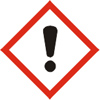
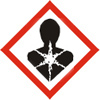
Signal Word: Warning
Hazard Statements: H317 May cause an allergic skin reaction, H351 Suspected of causing cancer.
Precautionary Statements: P201 Obtain special instructions before use, P202 Do not handle until all safety precautions have been read and understood, P261 Avoid breathing dust or fume, P272 Contaminated clothing should not be allowed out of the workplace, P280 Wear protective gloves/protective clothing, P302+P352 IF ON SKIN: wash with plenty of soap and water, P333+P313 If skin irritation or rash occurs: Get medical advice/attention, P308+P313 IF exposed or concerned: Get medical advice/attention, P363 Wash contaminated clothing before reuse, P405 Store locked up, P501 Dispose of contents/container in accordance with local, state or federal regulations.
3 COMPOSITION/INFORMATION ON INGREDIENTS
Ingredient: CAS#: %: EC#:
Iron 7439-89-6 Bal. 231-096-4
Nickel 7440-02-0 35-38 231-111-4
Common Names and Synonyms: Invar 36, Iron-Nickel Alloy 36, Low Expansion Alloy
4 FIRST AID MEASURES
General Measures: Remove patient from area of exposure.
INHALATION: Remove to fresh air, keep warm and quiet, give oxygen if breathing is difficult. Seek medical attention.
INGESTION: Rinse mouth with water. Do not induce vomiting. Seek medical attention. Never induce vomiting or give anything by mouth to an unconscious person.
SKIN: Remove contaminated clothing, brush material off skin, wash affected area with soap and water. Seek medical attention if symptoms persist.
EYES: Flush eyes with lukewarm water, including under upper and lower eyelids, for at least 15 minutes. Seek medical attention if symptoms persist.
Most Important Symptoms/Effects, Acute and Delayed: May cause irritation. See section 11 for more information.
Indication of Immediate Medical Attention and Special Treatment: No other relevant information available.
5 FIREFIGHTING MEASURES
Extinguishing Media: Use Class D dry powder extinguishing agent.
Unsuitable Extinguishing Media: Do not use water.
Specific Hazards Arising from the Material: Fine dust dispersed in air in sufficient concentrations, and in the presence of an ignition source, is a potential dust explosion hazard. May emit toxic metal oxide fumes under fire conditions.
Special Protective Equipment and Precautions for Firefighters: Full face, self-contained breathing apparatus and full protective clothing when necessary.
6 ACCIDENTAL RELEASE MEASURES
Personal Precautions, Protective Equipment, and Emergency Procedures: Wear appropriate respiratory and protective equipment specified in section 8. Isolate spill area and provide ventilation. Avoid breathing dust or fume. Avoid contact with skin and eyes. Eliminate all sources of ignition.
Methods and Materials for Containment and Cleaning Up: Avoid dust formation. Sweep or scoop up. Place in a properly labeled container for further handling and disposal.
Environmental Precautions: Do not allow to enter drains or to be released to the environment.
7 HANDLING AND STORAGE
Precautions for Safe Handling: Avoid creating dust. Avoid breathing dust or fumes. Provide adequate ventilation if dusts are created. Avoid contact with skin and eyes. Wash thoroughly before eating or smoking. See section 8 for information on personal protection equipment.
Conditions for Safe Storage: Store in a cool, dry area. Store material tightly sealed in properly labeled containers. See section 10 for more information on incompatible materials.
8 EXPOSURE CONTROLS AND PERSONAL PROTECTION
Exposure Limits: OSHA/PEL: ACGIH/TLV:
Nickel 1 mg/m3 1.5 mg/m3
Iron No exposure limit established No exposure limit established
Engineering Controls: Handle in a controlled, enclosed environment. Ensure adequate ventilation to maintain exposures below occupational limits. Whenever possible the use of local exhaust ventilation or other engineering controls is the preferred method of controlling exposure to airborne dust and fume to meet established occupational exposure limits. Use good housekeeping and sanitation practices. Do not use tobacco or food in work area. Wash thoroughly before eating or smoking. Do not blow dust off clothing or skin with compressed air.
Individual Protection Measures, Such as Personal Protective Equipment:
Respiratory Protection: Use NIOSH approved respirator.
Eye Protection: Safety glasses
Skin Protection: Wear impermeable gloves; protective work clothing as necessary.
9 PHYSICAL AND CHEMICAL PROPERTIES
Appearance:
Form: Powder
Color: Gray
Odor: Odorless
Odor Threshold: Not determined
pH: N/A
Melting Point: ~1425 oC
Boiling Point: No data
Flash Point: N/A
Evaporation Rate: N/A
Flammability: No data
Upper Flammable Limit: No data
Lower Flammable Limit: No data
Vapor Pressure: No data
Vapor Density: N/A
Relative Density (Specific Gravity): ~8.1 g/cc
Solubility in H2O: Insoluble
Partition Coefficient (n-octanol/water): Not determined
Autoignition Temperature: No data
Decomposition Temperature: No data
Viscosity: N/A
10 STABILITY AND REACTIVITY
Reactivity: No specific test data available.
Chemical Stability: Stable under recommended storage conditions.
Possibility of Hazardous Reactions: Reacts with strong acids and caustics to form flammable and explosive hydrogen gas. Contact with sulfur may cause evolution of heat. Contact with halogenated compounds and oxidizers may produce violent reactions and fires. Hazardous polymerization will not occur.
Conditions to Avoid: Avoid creating a dust cloud.
Incompatible Materials: Oxidizers, strong acids, halogenated compounds.
Hazardous Decomposition Products: Metal oxides, carbon oxides, nitrogen oxides.
11 TOXICOLOGICAL INFORMATION
Likely Routes of Exposure: Inhalation, skin, eyes.
Symptoms of Exposure: Fines/dusts may irritate lungs, eyes or abraded skin. Inhalation of metal oxide fumes due to heating beyond the boiling point in an oxidizing atmosphere, such as when smelting or welding, may cause substernal chest pain, cough, dyspnea and flu-like symptoms. The respiratory symptoms generally disappear in the exposed individual within 1-4 days.
Acute and Chronic Effects:
Nickel: The most common harmful health effect of metallic nickel in humans is an allergic skin reaction in those who are sensitive to nickel. Although nickel compounds are known human carcinogens, the evidence suggests that the relatively insoluble metallic nickel is less likely to present a carcinogenic hazard than are the nickel compounds that tend to release proportionately more nickel ion.
Iron: If inhaled, iron is a local irritant to the lung and gastrointestinal tract. Inhalation of large amounts may cause iron pneumoconiosis. Chronic inhalation of finely divided powder may cause chronic iron poisoning and pathological deposition of iron in the body tissue. Ingestion may cause vomiting, diarrhea, pink urine, black stool, and liver damage.
Acute Toxicity: No available information
Carcinogenicity:
Nickel: NTP: R - reasonably anticipated to be a human carcinogen IARC: 2B - possibly carcinogenic to humans
To the best of our knowledge the chemical, physical and toxicological characteristics of the substance are not fully known.
12 ECOLOGICAL INFORMATION
Ecotoxicity: No data
Persistence and Degradability: No data
Bioaccumulative Potential: No data
Mobility in Soil: No data
Other Adverse Effects: No further relevant information available.
13 DISPOSAL CONSIDERATIONS
Waste Disposal Method:
Product: Dispose of in accordance with Federal, State and Local regulations.
Packaging: Dispose of in accordance with Federal, State and Local regulations.
14 TRANSPORT INFORMATION
Shipping Regulations: Not regulated
UN Number: N/A
UN Proper Shipping Name: N/A
Transport Hazard Class: N/A
Packing Group: N/A
Marine Pollutant: No
Note: Not subject to hazardous shipping requirements if transported in a non-bulk packaging. If one package contains <100 lbs of nickel; or contains a mixture (including metal alloys) containing nickel in a concentration such that there is <100 lbs of nickel in one package, it is not regulated by DOT, IATA, IMDG, ICAO.
15 REGULATORY INFORMATION
TSCA: All components are listed.
Regulation (EC) No 1272/2008 (CLP): Sensitization - skin, category 1B, Carcinogenicity, category 2.
WHMIS 2015 Classification: Respiratory or skin sensitization, Carcinogenicity.
HMIS Ratings: Health: 2*(chronic) Flammability: 1 Physical: 0
NFPA Ratings: Health: 2 Flammability: 1 Instability: 0
Chemical Safety Assessment: A chemical safety assessment has not been carried out.
16 OTHER INFORMATION
The information contained in this document is based on the state of our knowledge at the time of publication and is believed to be correct, but does not purport to be all inclusive and shall be used only as a guide. ESPI Metals makes no representation, warranty, or guarantee of any kind with respect to the information contained in this document or any use of the product based on this information. ESPI Metals shall not be held liable for any damages resulting from handling or from contact with the above product. Users should satisfy themselves that they have all current data relevant to their particular use.
Prepared by: ESPI Metals
Revised/Reviewed: December 2015